Introduction
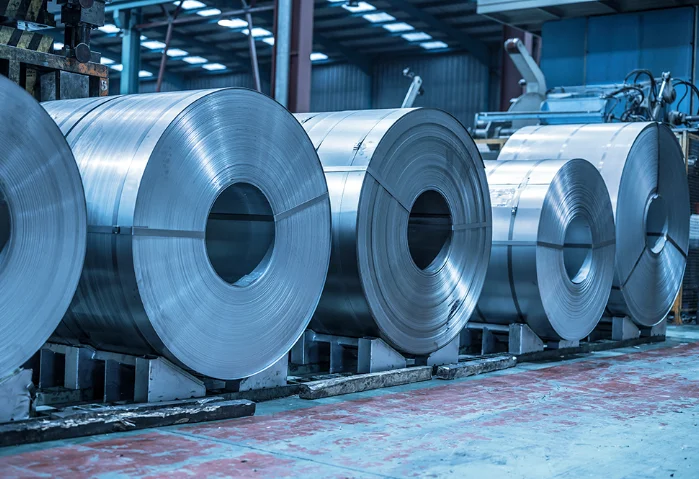
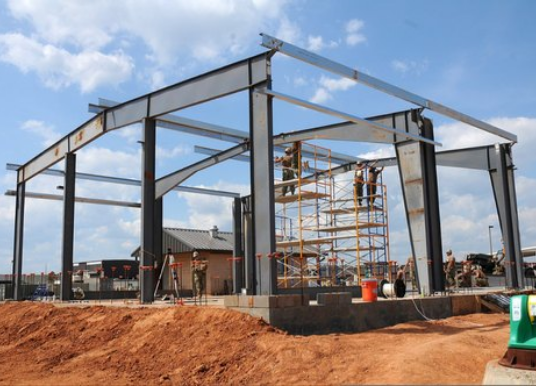
Sri Lanka’s construction industry is moving fast — Colombo’s coastal skylines rise with glass and steel, while Kurunegala’s industrial estates hum with machinery. At the center of this progress sits a deceptively simple material: the color coated steel coil. Not all coils are equal, and spotting quality before purchase isn’t just smart — it’s survival.
What Defines Quality in Color Coated Steel Coils
When buying a coil, quality is not a vague promise but something you can measure. The substrate sets the tone: PPGI relies on galvanized steel, while PPGL uses aluminium‑zinc alloy, which offers stronger corrosion resistance in coastal zones. Coating thickness is equally critical — too thin and the finish fades, too thick and flexibility suffers.
Finish consistency and adhesion tests provide further assurance. A good coil shows uniform gloss and resists peeling when bent. These checks are not optional; they are the foundation of trust in Sri Lanka’s construction industry.
- Substrate choice: PPGL for coastal durability.
- Coating thickness: Consistent micron values.
- Finish: Smooth, defect‑free.
- Adhesion: No cracks under bending.
Quality indicators
| Factor | Poor outcome | Best practice outcome |
| Substrate | Rust, weak resistance | PPGL alloy, stronger durability |
| Coating thickness | Fading, cracking | Consistent micron values |
| Finish consistency | Uneven gloss, defects | Smooth, uniform, defect‑free |
| Adhesion tests | Peeling under stress | Holds shape, no cracks |
PPGL vs PPGI — Which to Choose and Why
The PPGL vs PPGI choice is shaped by climate and cost. PPGI is affordable and reliable for inland projects where corrosion risks are moderate. PPGL, with its aluminium‑zinc alloy substrate, delivers superior resistance to salt‑laden air, making it ideal for coastal builds.
In Sri Lanka’s diverse environments, PPGL often emerges as the smarter choice for durability, while PPGI remains practical for budget‑conscious inland projects. The trade‑off is simple: upfront savings versus lifecycle value.
- PPGI: Cost‑effective, suited for warehouses and sheds inland.
- PPGL: Longer life, better aesthetics, ideal for coastal cities.
PPGL vs PPGI comparison
| Aspect | PPGI | PPGL |
| Substrate | Zinc‑coated steel | Aluminium‑zinc alloy |
| Corrosion resistance | Moderate (inland) | High (coastal) |
| Heat reflectivity | Standard | Better |
| Cost | Lower upfront | Higher upfront, lower lifecycle |
| Best use | Inland projects | Coastal, aesthetic builds |
Buyer’s Inspection Checklist
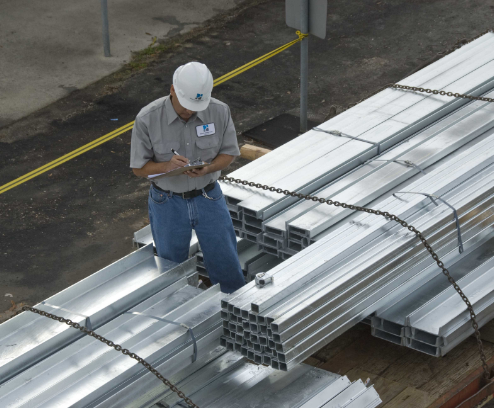
Inspection is a disciplined process. Visual checks reveal defects early, coating thickness ensures durability, and adhesion tests confirm resilience during installation. Substrate verification and batch traceability provide accountability, while edge protection after cutting prevents premature corrosion.
These steps may seem routine, but in Sri Lanka’s tropical climate they are the difference between a building that lasts decades and one that fails within years.
Checklist highlights:
- Visual inspection for uniform finish.
- Thickness certificates in microns.
- Adhesion and bend tests.
- Substrate verification (PPGI vs PPGL).
- Coil ID and batch traceability.
- Edge protection with zinc‑rich paint.
Inspection essentials
| Step | Why it matters | Sri Lanka context |
| Visual check | Detect defects early | Tropical sun fades poor finishes |
| Thickness check | Ensures durability | Coastal humidity accelerates wear |
| Adhesion test | Prevents peeling | Roofing/cladding installation |
| Substrate verify | Confirms alloy composition | PPGL for coastal resilience |
| Traceability | Accountability | Large projects need consistency |
| Edge protection | Stops premature corrosion | Essential after cutting |
Cutting, Handling & Storage Best Practices
Even premium coils fail if mishandled. Cutting exposes raw edges that must be treated immediately with zinc‑rich paint. Handling requires padded hooks and gloves to prevent scratches and contamination. Storage discipline is equally vital: coils must be kept dry, ventilated, and raised off the ground to avoid moisture damage.
In Sri Lanka’s monsoon climate, these practices are not optional. They are safeguards that protect investments and ensure long‑term performance.
Handling priorities
| Aspect | Poor practice outcome | Best practice outcome |
| Cutting edges | Exposed raw metal, corrosion | Zinc‑rich paint protection |
| Handling | Scratches, coating damage | Padded hooks, gloves |
| Storage | Moisture, rust | Dry, ventilated, waterproof cover |
FAQs — Color Coated Steel Coils in Sri Lanka
Q1: What is a color coated steel coil?
- Steel layered with protective paint, used for roofing, cladding, and frameworks.
Q2: What is the difference between PPGI and PPGL?
- PPGI = galvanized steel; PPGL = aluminium‑zinc alloy, better for coastal durability.
Q3: How can I check coil quality before buying?
- Inspect thickness, finish, adhesion, and supplier certificates.
Q4: Why is edge protection important after cutting?
- Exposed edges corrode quickly; zinc‑rich paint extends service life.
Q5: How should coils be stored in Sri Lanka?
- Dry, ventilated, raised off ground, covered with waterproof sheets.
Conclusion
Choosing the right coil is both technical and strategic. PPGL often proves smarter for coastal projects, while PPGI remains practical inland. The real key lies in inspection, certification, and disciplined handling. A coil that passes these checks is more than material — it’s a promise of resilience against Sri Lanka’s climate.
Contact Us Today!
Address: RMI Steel (Pvt) Ltd, Rathkawwa, Maspotha, Kurunegala, Sri Lanka
Contact Number: +94 37 22 39 644
Email Address: info@rmisteel.lk